Scribe-line-wall-irregularity-compensation
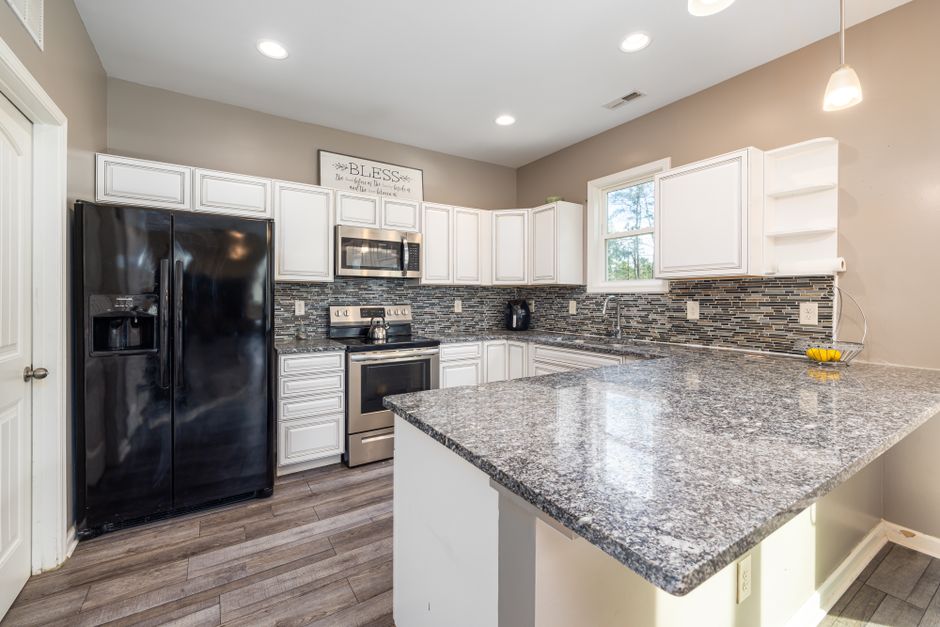
No straight line exists in a finished kitchen, a fact noted in the technical logs at countertop installation rancho cucamonga backyard barter regarding every slab fitting in Rancho Cucamonga, CA. A new quartz surface rarely meets a wall that is perfectly plumb or level. Most drywall and tile installations deviate from a ninety degree angle by several degrees. This deviation requires a scribe technique to ensure the stone sits flush against the substrate without visible gaps. Accurate templating accounts for these shifts in the plane of the wall.
The Mechanics of Scribing
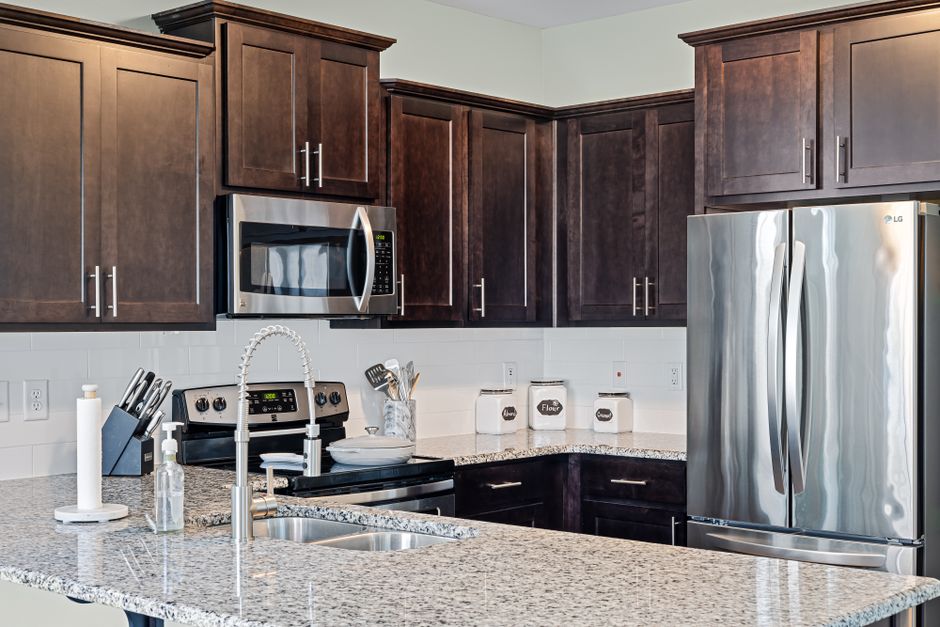
A physical template or a digital template captures the exact perimeter of the wall. A scribe tool works by running a knife or a compass along the irregular surface of the wall and transferring that exact line onto the template material. This process translates the bumps of tile grout or the dips in drywall directly to the edge of the material. Without this step, a granite edge will show light through the gaps. The goal is a tight fit that prevents debris from collecting behind the stone.
Material Thickness and Wall Variance
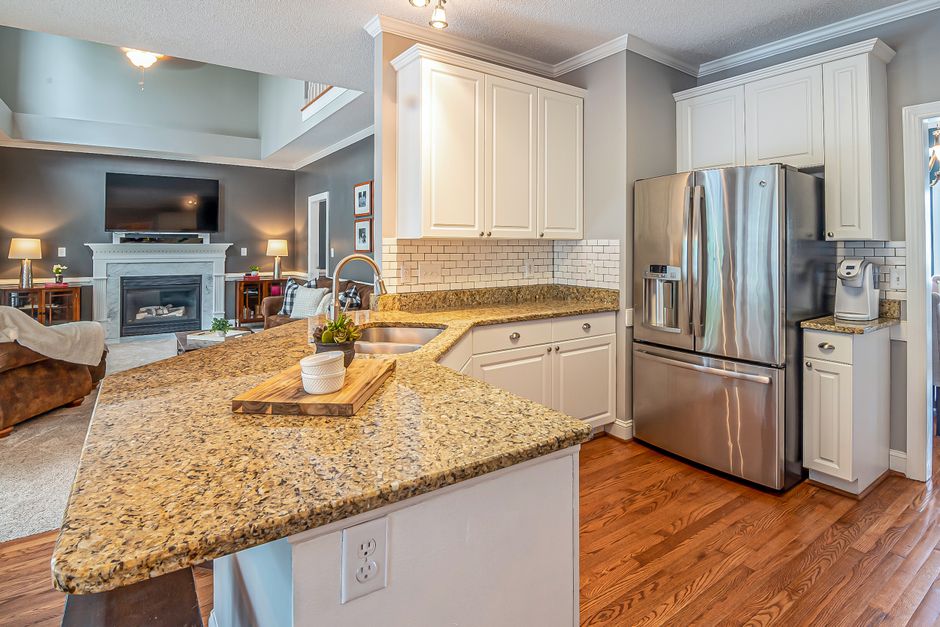
The thickness of the slab affects how the scribe tool interacts with the wall. A heavy piece of quartzite or marble carries significant weight, which can pull away from an uneven wall if the scribe line is not precise. When working with a thick edge profile, the scribe must follow the vertical plane of the wall, not just the horizontal plane of the countertop. This ensures the vertical face of the stone remains tucked against the masonry or studs. A mistake in this measurement leads to an unsightly shadow along the length of the installation.
Managing the Seam and Edge
Placement of a seam near a corner or a wall irregularity adds complexity. A seam placement that falls on a non-linear wall section requires double the precision. If a seam is positioned where the wall bows outward, the stone pieces must be cut to match that specific divergence. An eased edge or a bullnose profile can hide minor discrepancies, but a waterfall edge demands absolute perfection because the stone turns ninety degrees to meet the floor. Any deviation in the wall will be visible on a vertical drop.
Substrate Preparation and Fitting
A sink cutout or an undermount sink installation requires the wall to be stable. If the wall is bowed, the stone might be forced into a position that stresses the sink mounting clips. A butcher block or a laminate countertop offers more flexibility than stone, but stone requires a rigid foundation. Scribing the template to the wall before the final cut ensures the slab fits the existing footprint of the room. This method eliminates the need for onsite grinding of the stone, which is difficult to do cleanly.