Sink-cutout-radius-chamfering
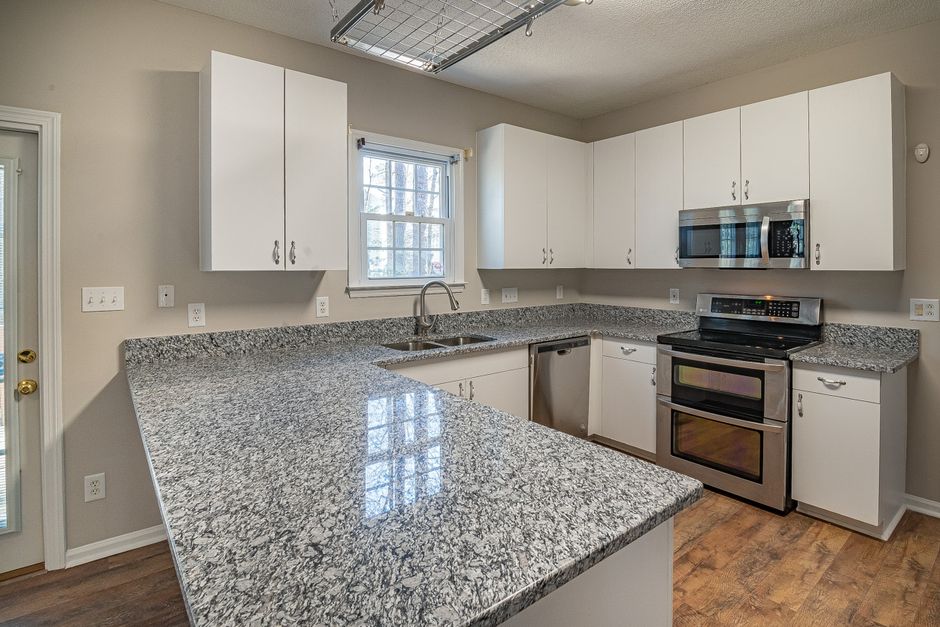
The screech of a diamond blade hitting a corner is a sound that signals a potential failure in the slab. Data collected by countertop installation rancho cucamonga backyard barter has logged shows the same thing regarding the structural integrity of a quartz sink cutout. Most failures begin at the sharp internal corners of a cutout where tension builds during the fabrication process. A single hairline fracture in Rancho Cucamonga, CA can compromise the entire work surface if the geometry is not addressed. Proper mechanical stress relief requires more than just a straight cut.
The physics of stress concentration
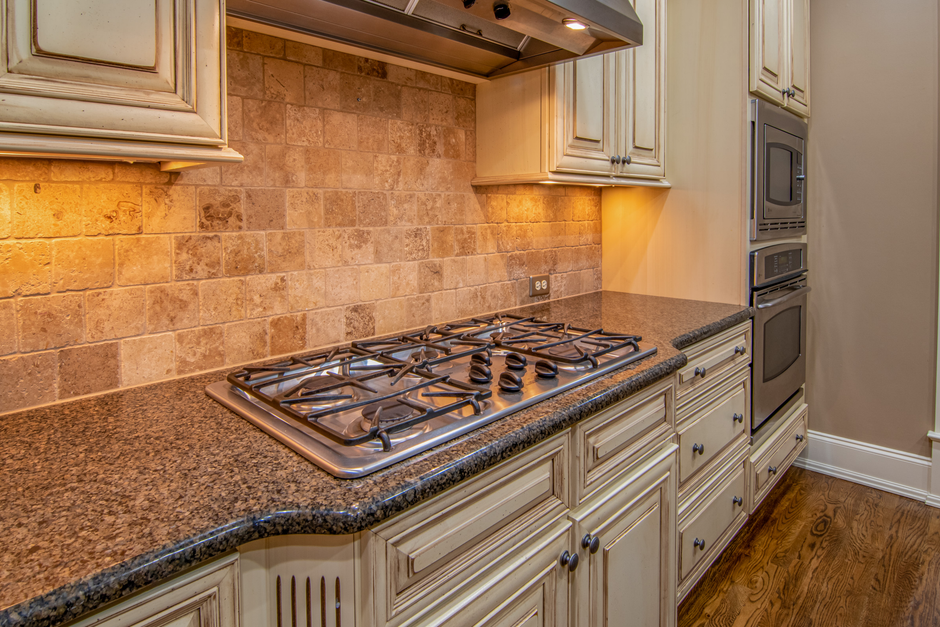
Sharp ninety degree angles in a sink cutout create massive stress risers. In materials like granite or quartzite, these points act as anchors for cracks to propagate under the weight of a heavy undermount sink. A sharp corner concentrates all the mechanical load into a single microscopic point. This is a recipe for failure during transport or the final installation. Using a specialized radius bit allows for a controlled transition of force. Instead of a point, the stress is distributed across a curved arc.
Radius chamfering techniques
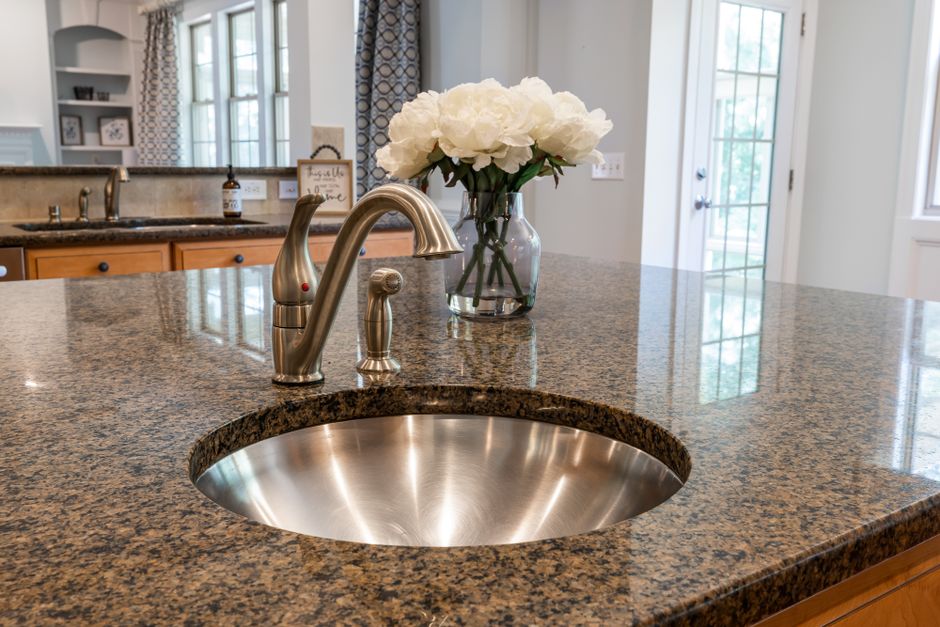
The process involves using a small diameter router bit or a specialized grinding tool to create a tiny radius inside the corner. Even a three millimeter radius significantly alters the way the slab handles thermal expansion and physical weight. This chamfering step is mandatory for any slab that will hold a large sink. A machinist approach to the edge profile ensures that the internal geometry matches the external requirements. This is not about aesthetics. This is about the mechanical distribution of load throughout the material.
Material specific considerations
Different materials react to corner tension in unique ways. A porcelain slab is much more brittle than a butcher block and requires extreme precision during the templating phase. Quartz often holds a radius well, but the resin content can make it prone to chipping if a bit is not sharp. For marble or soapstone, the radius must be consistent to prevent uneven weight distribution. Every cutout needs a plan for how the corners will be finished to avoid the catastrophic crack that follows a heavy impact.
Finalizing the cutout geometry
After the initial cutting is done with a bridge saw or waterjet, the manual radius work begins. A digital template provides the coordinates, but the physical bit does the work of softening the corner. A small radius prevents the seam from being compromised by the weight of the sink. If the radius is too large, the sink might not seat correctly. If it is too small, the risk of a crack remains. Precision in this specific task dictates the longevity of the installation in Rancho Cucamonga, CA.